What Lands, What Looms: Rethinking Gifts in Companion Bookings
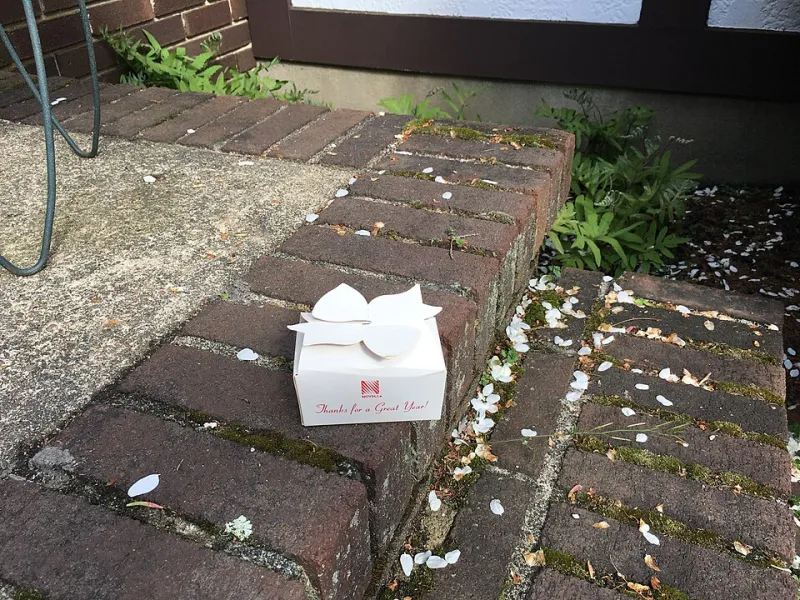
Photo: Jonathan Schilling, CC BY-SA 4.0, via Wikimedia Commons
There is a particular kind of awkwardness that arrives with a giant bouquet. It is not the flowers themselves; it is the logistics. Someone has to find a vase, carry them out, and decide whether the gesture was a thank-you or the opening move in a negotiation. In companion bookings, gifts can be lovely. They can also create pressure. The difference is rarely about price. It is about whether the gift respects the companion’s stated preferences, the privacy of the appointment, and the fact that generosity is not a lever.
The gifting gap
US tipping culture already blurs the line between gratitude and expectation. We tip bartenders, drivers, and hotel housekeepers, and we increasingly tip through apps that make the transaction feel frictionless. Companion bookings are not identical to those service contexts. A companion is not a server waiting for a table to turn; they are an independent professional with their own rates, policies, and boundaries. That does not mean gifts are unwelcome. It means the gift should fit the relationship, not try to redefine it.
The gifting gap is the space between what a client thinks a grand gesture communicates—care, respect, excitement—and what it can actually communicate: pressure, obligation, or a request for special treatment. A $200 bottle of wine can feel like a lovely surprise or like a bill someone did not ask to split. A small box of good coffee can feel thoughtful or forgettable, depending on whether the companion actually drinks coffee. The gesture is not the object. The gesture is the attention behind it.
Ask first, or read the room before you buy
The simplest rule is also the least romantic: ask. Not in a way that turns the booking into a questionnaire, but in a short, low-stakes message. “I’d like to bring something small—do you have a preference, or would you rather I skip it?” That question does three things. It gives the companion an easy out. It signals that you are not treating the appointment as a stage for your own generosity. And it prevents the classic mistake of bringing a gift that the companion has to manage—flowers in a hotel room with no vase, food they cannot eat, a scent they are allergic to.
If you are booking through a directory like Babescort, check whether the listing includes a gift or tipping policy. Some companions state a preference clearly: no gifts, cash tips only, a favorite snack, or a charity suggestion. Treat that as the answer. Do not treat a blank policy as an invitation to improvise with something expensive. A blank policy usually means “no stated preference,” not “surprise me with jewelry.”
What tends to land well
Small, consumable, and easy to leave behind. That is the short list. A good cup of coffee, a pastry from a local bakery, a bag of nice granola, a cold drink on a hot day—these are gestures that fit into the appointment rather than taking it over. They do not demand a vase, a receipt, or a follow-up text. They also travel well: a companion can enjoy them later or leave them without guilt.
Practical gifts can land, too, if they are genuinely useful and not weirdly intimate. A rideshare credit for a late-night trip home, a small gift card to a coffee shop near the hotel, or a note that says “thank you for your time” can be appropriate in the right context. Cash is a separate category. In the US, tipping is common in many service settings, but a companion’s policy should guide you. If they list a tip option, use it. If they do not, a cash gift can still be welcome—but it should be offered plainly, not tucked into a performance.
What tends to land least well? Anything that requires the companion to perform surprise. A huge bouquet delivered to the front desk. A personalized item with their name on it. A piece of jewelry that implies a relationship neither of you has agreed to. A public display in a hotel lobby. These are not automatically offensive, but they are high-friction. They ask the companion to manage your feelings, the property’s rules, and the optics all at once.
The pressure of the grand display
Grand displays are often less about the recipient than about the giver’s desire to be seen as generous. That is not a crime; it is human. But in a companion booking, the display can tilt the room. If someone gives you an expensive gift, you may feel you owe them more time, more enthusiasm, or more access than the booking specified. A companion may feel the same pressure, even if the gift was offered with no strings. The result is a subtle shift from rapport to transaction management.
There is also a privacy cost. A delivery to a hotel front desk, a public proposal-style gesture, or a gift that requires a signature can put your appointment on someone else’s radar. Discretion is not the same as secrecy, but it does mean not making the front desk part of the story. A small gift carried in a tote bag is discreet. A florist asking the concierge to call up to the room is not.
A practical framework for generosity
Use this as a filter before you buy anything:
- Check the stated preference. If the companion says no gifts, believe them. If they list a favorite snack, start there.
- Keep the value proportionate. A gift should not exceed the cost of the booking or feel like a second negotiation. If you want to spend more, ask whether a larger tip or a repeat booking is more welcome.
- Choose low-friction objects. Consumables, practical items, and things that can be left behind are easier than keepsakes.
- Keep it private. Avoid deliveries to the hotel desk, public displays, and anything that requires the companion to explain the gift to a third party.
- Attach no conditions. A gift is not a deposit on extra time, a request for a specific act, or a way to skip the screening process.
- If you are unsure, skip it. A respectful booking with clear communication is a better gift than an awkward surprise.
The gesture that actually matters
The most thoughtful gesture in a companion booking is usually not a gift at all. It is showing up on time, reading the listing, respecting the stated boundaries, and leaving the appointment as agreed. In 2026, with US hotels busier and delivery apps making grand gestures easier than ever, the bar for thoughtfulness is not a bigger bouquet. It is a smaller footprint.
If you want to give something, give attention. Ask what would make the appointment easier. Remember that a companion’s preferences are not a challenge to your creativity. And keep the gesture small enough that it can be received without a strategy meeting. That is the difference between a gift that lands and a display that looms.